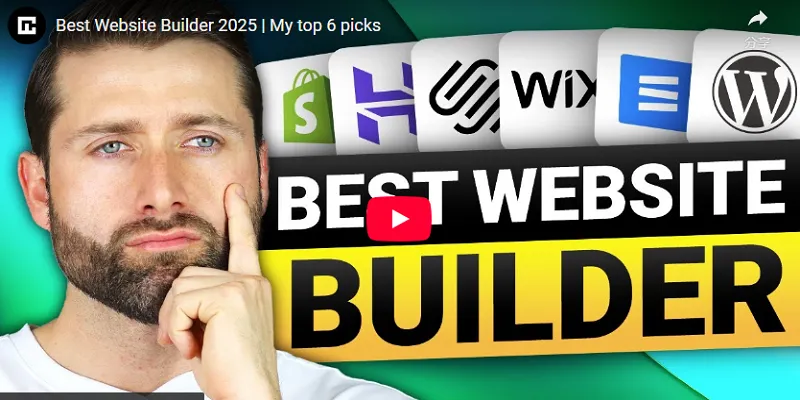
The market is overflowing with website builders offering modern tools, a plethora of templates, and seamless integrations. With so many options, how do you pick the right one? There’s no single “best” website builder for everyone—it depends on your needs. In this article, I’ll share my top recommendations for e-commerce, blogs, portfolios, and more, based on my hands-on experience. Pricing played a big role in my selections because I want you to get the best tools without breaking the bank. Let’s dive into my top six picks!
1. Wix: Best for a Professional Online Presence
If you’re a life coach, therapist, real estate agent, or anyone needing a polished online image, Wix is a fantastic choice. With over 900 templates—including one-page layouts and niche categories like health and wellness—Wix offers unmatched variety. You’re sure to find a design that fits your vibe.
The drag-and-drop editor is a standout feature, letting you arrange elements without coding knowledge. It’s intuitive and empowers you to customize your site exactly as you imagine it. For those short on time, Wix’s AI tool generates a professional site—complete with content and visuals—after answering a few questions. It’s a game-changer for beginners who feel overwhelmed by website creation.
Wix also shines with its online scheduling tool, perfect for professionals managing appointments. Clients can book directly through your site, streamlining the process. Plus, the app market offers Wix-created apps and third-party options (with user reviews to guide you).
Pros:
- Extensive template library
- Easy-to-use editor
- AI-powered quick-start option
- Scheduling and app integrations
Cons:
- Overwhelming for beginners due to feature overload
- Middling performance compared to simpler platforms like SITE123
Best for: Professionals seeking a robust, polished online presence.
2. Hostinger: Best One-Fits-All Solution
For a beginner-friendly yet powerful option, Hostinger takes the crown. It offers the best price-to-value ratio in the market, making it my go-to recommendation for almost anyone—novices and experienced users alike.
Hostinger’s drag-and-drop editor balances creative freedom with simplicity, avoiding the option overload of Wix. It includes premade sections, responsive controls (like CTRL+Z undo), and AI tools like an SEO optimizer, page generator, and heatmap. With the cheapest plan, you can build up to 100 websites—perfect for experimenting without extra costs. Unlike Shopify, e-commerce is included without additional fees, a boon for small businesses. Mobile editing also lets you tweak your site on the go.
Pros:
- Affordable pricing
- Beginner-friendly with AI tools
- Up to 100 websites on one plan
- Mobile editing capability
Cons:
- No app store
- E-commerce features need improvement for larger projects
Best for: Budget-conscious users wanting a versatile, easy-to-use builder.
Pro Tip: Grab Hostinger with a discount via the link in the description!
3. Squarespace: Best for Sleek Portfolios
If you’re a photographer, graphic designer, or artist needing a stylish portfolio, Squarespace is your match. Known for its award-winning templates (yes, even Adam Driver advertised it), Squarespace offers over 100 designs or a new Blueprint editor for block-by-block customization. I prefer the templates for their unique flair.
The editor is robust yet clean, with drag-and-drop functionality, a grid system, and unique integrations like SoundCloud and restaurant apps. Marketing tools—like free logo creation, email campaigns, and the Unfold app for trendy social media posts—add extra value.
Pros:
- Stunning, creative templates
- User-friendly marketing tools
- Clean, minimalistic interface
Cons:
- Limited collaboration features
- Pricier, especially for e-commerce add-ons
Best for: Creatives who prioritize aesthetics and simplicity.
4. Shopify: Best for E-Commerce
For online stores, Shopify is the undisputed champ in 2025. Its free templates are beautiful but limited—check third-party marketplaces for more niche designs at lower costs. The editor feels more like a design customizer than a traditional builder, lacking drag-and-drop but offering style tweaks (fonts, colors, spacing).
Shopify excels with e-commerce essentials: inventory management, mobile integration, automatic tax calculations, and a point-of-sale system for physical stores. With over 100 payment gateways, top shipping providers, and multi-channel selling (Instagram, Amazon, etc.), it’s a powerhouse. The app marketplace offers thousands of add-ons, though many come with extra fees.
Pros:
- Top-tier e-commerce features
- Seamless multi-channel selling
- Physical store integration
Cons:
- Limited design flexibility
- Additional app costs
Best for: Anyone serious about running an online store.
5. SITE123: Best for Small Local Businesses
Own a restaurant or barber shop and just need a simple online presence? SITE123 is your answer. You can build and publish a site in under 30 minutes—no account required to start. Design options are limited, and there’s no drag-and-drop or grid system—elements snap to preset spots—but it’s perfect for small projects.
The free plan is basic, but premium pricing is fair, offering analytics, contributor management, and an SEO tool. It’s not feature-packed, but it gets the job done for beginners.
Pros:
- Lightning-fast setup
- Affordable premium plans
- Simple editing experience
Cons:
- Limited design flexibility
- Lacks advanced features for growth
Best for: Small businesses needing a quick, no-fuss website.
6. WordPress: Best for Blogs
For bloggers, WordPress remains a top pick. Originally built for blogging, it’s evolved into a versatile platform but still excels for writers. The dashboard prioritizes posts, with easy access to drafts, scheduling, and article management. Plugins let you add almost any feature—like ad space for revenue—but you’ll need to handle security and updates yourself.
Pair WordPress with Hostinger for cheap, fast hosting and beginner-friendly tools (malware scanners, maintenance mode). It’s scalable and customizable, though it can be tricky to manage.
Pros:
- Blog-focused dashboard
- Highly scalable with plugins
- Affordable hosting via Hostinger
Cons:
- Requires manual maintenance
- Steeper learning curve
Best for: Bloggers who want flexibility and control.
Final Recommendations
Here’s a quick recap:
- Wix: Professionals needing a polished presence.
- Hostinger: Best one-fits-all at a low price.
- Squarespace: Creatives with portfolio goals.
- Shopify: E-commerce entrepreneurs.
- SITE123: Small local businesses.
- WordPress: Dedicated bloggers.
Each builder has tutorials linked in the description, plus discounts to save you money while supporting this channel. Whatever your website needs, one of these options has you covered. Which will you choose? Let me know, and happy building!